 : +91 9718240518
: +91 9718240518
At EyePlus EyeCare, we are passionate about protecting and enhancing your vision. Founded on the principles of excellence, innovation, and compassion, our centre offers a complete range of eye care services for patients of all ages.
From routine eye checkups to the management of complex eye conditions, our team of skilled Qualified Ophthalmologist doctors and eye care professionals are equipped with the latest in diagnostic and treatment technology. Whether you’re looking for treatment for issues such as Cataract,dry eyes, glaucoma, or diabetic retinopathy – EyePlus EyeCare is here to help.

Posted onTrustindex verifies that the original source of the review is Google. Had a great experience at Eye Plus! The doctor was kind and explained my condition in simple words. Clean clinic, quick service, and I could see better right after treatment!Posted onTrustindex verifies that the original source of the review is Google. Had a great experience at Eye Plus. The doctor is polite, explains everything clearly, and gives the best treatment.Posted onTrustindex verifies that the original source of the review is Google. Very good eye doctor,will definately recommend.
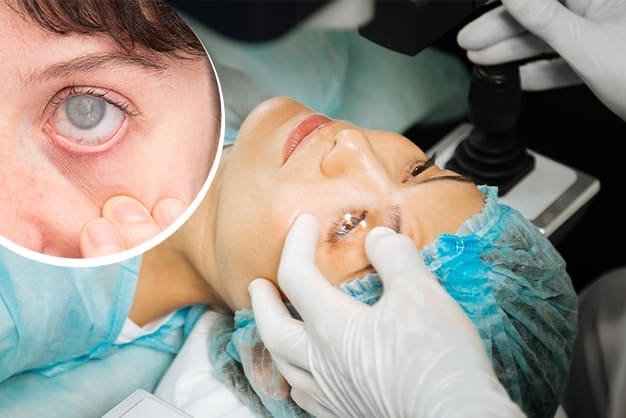
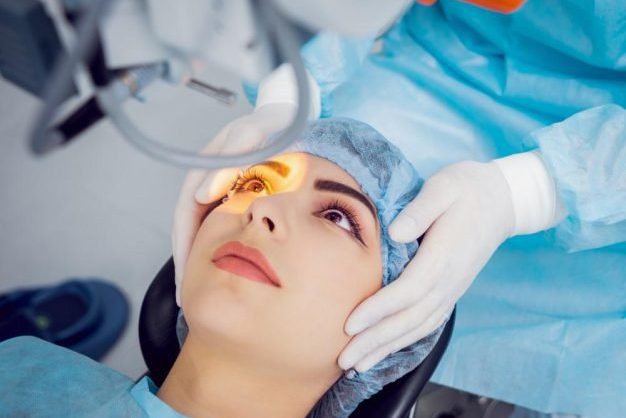
Refractive surgery is the innermost layer of the eye, and it features many light-sensitive photoreceptor cells. These cells detect light and convert it into electrical signals, which travel through the optic nerve to the brain, resulting in sight.
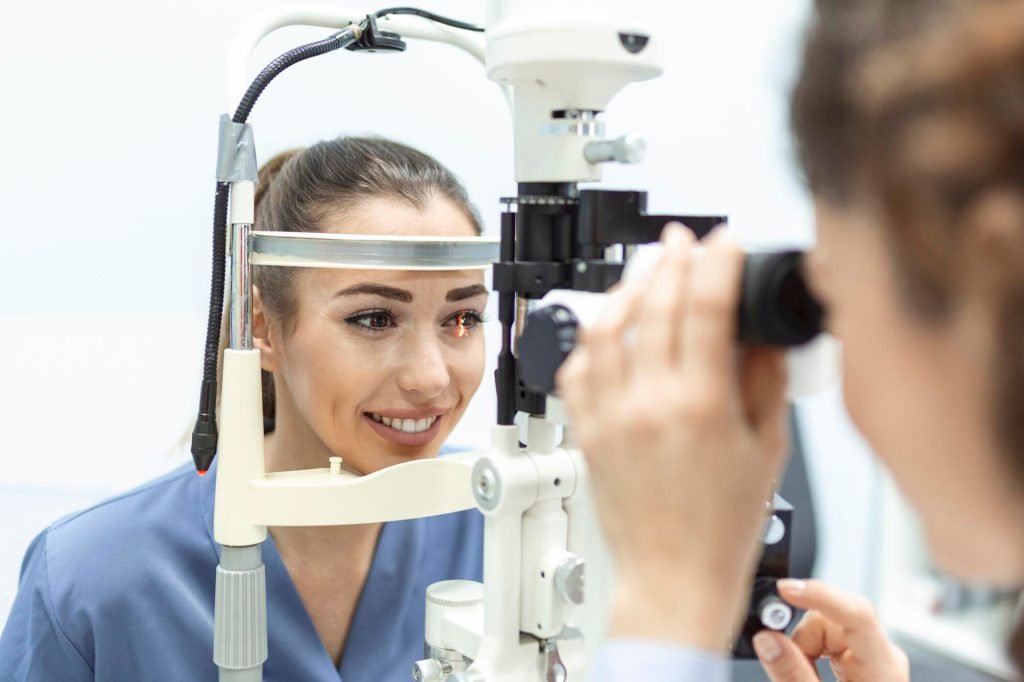
Glaucoma is a group of eye diseases that irreversibly damage the optic nerve—the vital structure that transmits visual signals from the eye to the brain.
Eyeplus- Eyecare is functioning as full fledged eye set-up since 2015.
We use modern diagnostic tools to detect and monitor eye conditions early.
From pediatric eye care to senior vision management, we serve all age groups under one roof.
Every patient is unique, and so is our approach. We tailor our services to your specific visual and health needs.
Our clinic is designed to make your visit stress-free and welcoming.
Our eye care team brings years of expertise in providing accurate diagnoses and effective treatment plans.

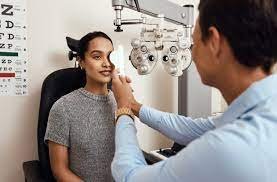
An eye checkup is a comprehensive examination of your vision and overall eye health. Regular eye tests are essential for detecting vision problems, identifying eye diseases at an early stage, and ensuring optimal eye care. Early detection helps prevent complications and maintain clear, healthy vision.
Detects refractive errors (myopia, hyperopia, astigmatism)
Identifies cataracts, glaucoma, and retinal issues early
Monitors eye health in patients with diabetes or hypertension
Prevents strain-related problems caused by prolonged screen time
Ensures accurate prescriptions for glasses or contact lenses
Visual Acuity Test: Measures sharpness of vision
Refraction Test: Determines the correct lens power
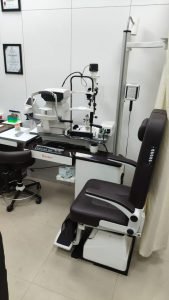
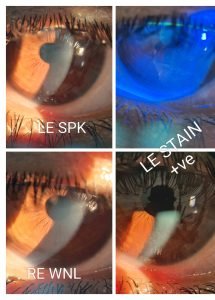
Slit-Lamp Examination: Checks for cataracts, corneal issues, and eye infections
Intraocular Pressure Test: Screens for glaucoma
Retinal Examination: Evaluates the back of the eye for diseases
Color Vision & Depth Perception Tests: For overall visual performance
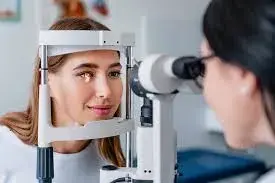
Retina disorder treatment focuses on diagnosing and managing conditions that affect the retina — the light-sensitive tissue at the back of the eye responsible for vision. Timely detection and treatment are crucial to prevent vision loss and maintain healthy eyesight.
Diabetic Retinopathy: Damage to retinal blood vessels due to diabetes
Age-related Macular Degeneration (AMD): Central vision loss due to retinal aging
Retinal Detachment: Separation of the retina from underlying tissue
Retinal Vein Occlusion: Blockage of retinal blood vessels
Macular Hole or Pucker: Structural damage affecting sharp vision
Medication & Injections
Anti-VEGF injections to control abnormal blood vessel growth
Steroid injections to reduce swelling and inflammation
Laser Therapy
Seals leaking blood vessels
Prevents progression of diabetic retinopathy and retinal tears
Vitrectomy Surgery
Removes vitreous gel and repairs severe retinal damage
Lifestyle & Eye Care Management
Blood sugar, blood pressure, and cholesterol control
Regular monitoring for early detection
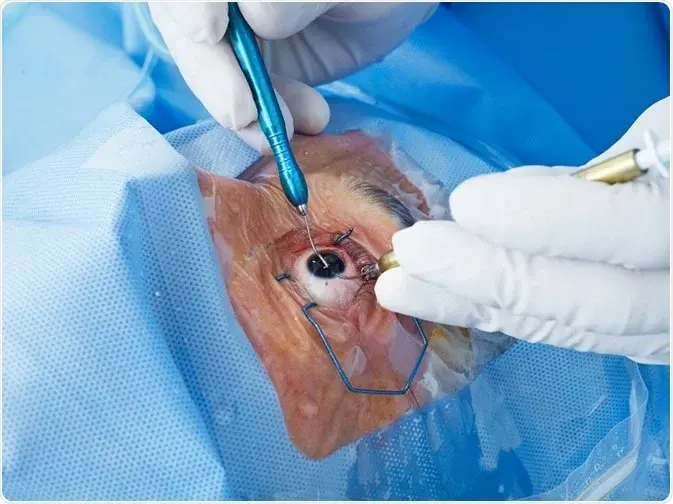
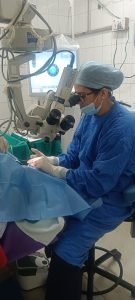
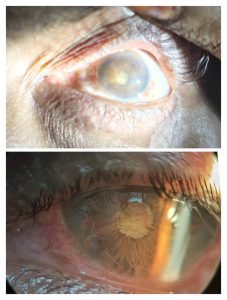
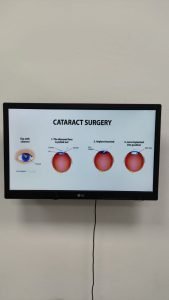
Cataract surgery is a safe and effective procedure to remove the clouded natural lens of the eye and replace it with a clear artificial lens (IOL), restoring sharp and bright vision. It is recommended when cataracts cause blurred vision, glare, or difficulty in performing daily activities.
Blurred or cloudy vision
Difficulty seeing at night or in low light
Increased sensitivity to light and glare
Frequent changes in glasses or contact lens prescriptions
Trouble reading, driving, or recognizing faces
Phacoemulsification (Phaco): Uses ultrasound waves to break and remove the cloudy lens, followed by IOL implantation.
Femtosecond Laser-Assisted Cataract Surgery: Offers higher precision with minimal tissue damage.
Premium IOL Options: Multifocal, toric, and advanced lenses for better clarity and reduced dependence on glasses.

Glaucoma is an eye condition caused by increased intraocular pressure that damages the optic nerve, leading to gradual vision loss if left untreated. Since it often develops without noticeable symptoms in the early stages, regular eye checkups and timely treatment are crucial to preserve vision.
Gradual loss of peripheral vision
Frequent headaches or eye pain
Blurred vision or halos around lights
Sudden vision loss (in acute cases)
Family history of glaucoma
Medications (Eye Drops & Tablets):
Reduce fluid production or improve drainage in the eye.
Laser Therapy:
Laser Trabeculoplasty: Improves fluid outflow.
Laser Iridotomy: Creates a small opening to relieve pressure.
Minimally Invasive Glaucoma Surgery (MIGS):
Short recovery and fewer complications.
Traditional Surgery (Trabeculectomy):
Creates a new drainage pathway for advanced cases.
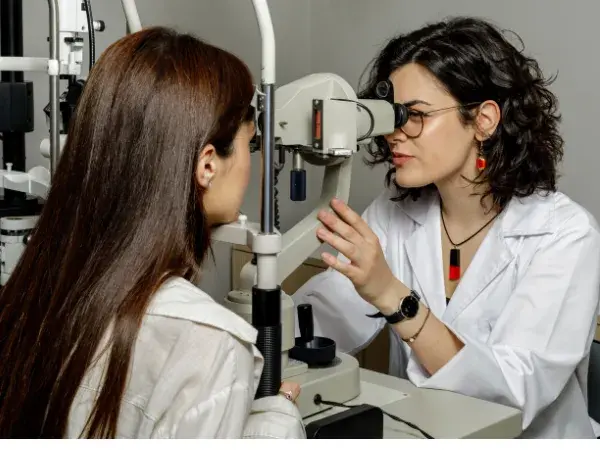
Refractive error assessment is a comprehensive eye test used to detect vision problems like nearsightedness (myopia), farsightedness (hyperopia), astigmatism, and presbyopia. It helps determine the correct prescription for glasses or contact lenses and ensures your eyes focus light properly for clear, sharp vision.
Blurred or distorted vision
Frequent headaches or eye strain
Difficulty seeing clearly at night
Squinting or needing to move objects closer or farther away to focus
Regular eye checkups to monitor vision change
Visual Acuity Test: Measures how clearly you see at various distances.
Retinoscopy: Evaluates how light reflects off the retina to detect refractive errors.
Refraction Test: Uses a phoropter to determine the most accurate lens power.
Computerized Eye Testing: Advanced autorefractors provide precise measurements.
Prescription Finalization: Customized correction with glasses or contact lenses.